The EU’s New AI Labeling Law:
Is This the Hour of Six-Finger Pete?
So, the EU has done it again. With the grace of a bureaucrat wielding a sledgehammer to crack a nut, they’ve given us the AI Act’s Article 50 transparency obligations. From August 2, 2026, if you generate or manipulate an image, audio, or video with AI that could fool someone into thinking it’s real — congratulations, you now have a homework assignment. Slap a label on it. Make it visible. Make it obvious. Use the nice little EU icons the Commission so thoughtfully designed for you. Fail to do so, and you might be looking at fines of up to €15 million or 3% of
your global annual turnover.
But don’t worry. The EU is nothing if not reasonable. They’ve included exceptions. And that’s where things get… interesting.
The Exception That Swallows the Rule
The AI Act’s labeling requirement applies primarily to two categories: deepfakes (AI-generated or manipulated content that resembles real people, objects, places, or events) and AI-generated text published on matters of public interest that hasn’t been reviewed by a human editor.
But here’s the kicker: if your deepfake forms part of an „evidently artistic, creative, satirical, fictional or analogous work or programme,“ the transparency obligations are limited. You just have to disclose in a way that „does not hamper the display or enjoyment of the work“.
What does that mean in practice? Nobody quite knows. The AI Act doesn’t provide practical guidance on what qualifies as „evidently artistic“. Is a hyper-realistic AI-generated advertisement artistic? Is a meme satirical? Is a corporate annual report with AI-generated charts creative?
The EU legislator, in their infinite wisdom, has essentially said: „Go ahead, make whatever you want. Just… you know, maybe tell someone. But also, don’t ruin the vibes.“
Six-Finger Pete and the Three-Legged Girl
Which brings us to the existential questions of our time.
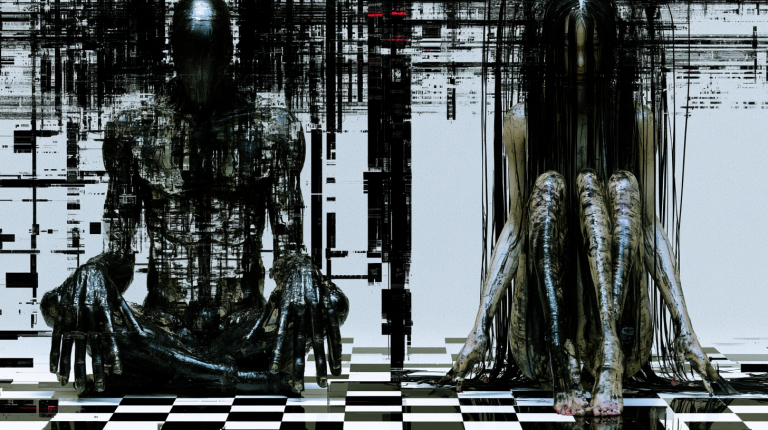
Let’s say I generate an image of a person with six fingers on one hand. Or a human with three legs. Or a cat with a human face. Do I need to label that?
Technically? The definition of a deepfake requires that the content „would falsely appear to a person to be authentic or truthful“. So if the AI artifact is so blatantly, hilariously wrong that no reasonable person would mistake it for reality… do we really need a label?
According to the guidelines, if the lack of authenticity is obvious (think blurred backgrounds or clearly impossible anatomy), it probably doesn’t count as a deepfake. So Six-Finger Pete is safe. The Three-Legged Girl can walk free — well, limp free — without a label.
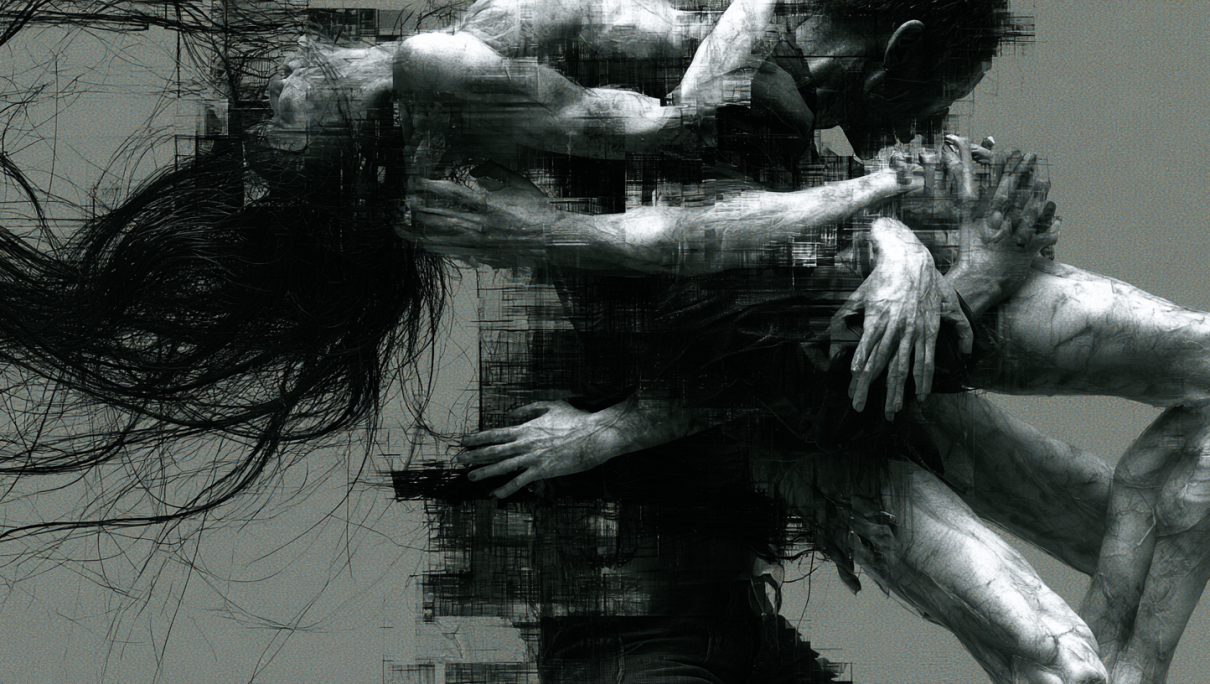
Is this the hour of the glitch? Has the EU inadvertently created a world where the more obviously broken your AI-generated content is, the less regulation it faces? If you want to avoid labeling, just make sure your AI output looks like it was generated by a toaster having a seizure. Imperfection is now your legal shield.
Digital Perfection: A Disability?
But let’s flip the script.
What if your AI-generated content is too perfect? What if it’s indistinguishable from reality? That’s precisely when the labeling requirement kicks in. The more convincing your AI output, the more you have to disclose it.
So here’s a question that will haunt the philosophers of the digital age: Is digital perfection a legally cognizable disability?
Consider this: a human photographer spends years mastering their craft, learning lighting, composition, and post-processing. They produce an image of breathtaking beauty. No label required.
An AI system produces an image of equal or greater quality in three seconds. Label required.
The AI image is now marked as artificial. It carries a digital scarlet letter. It is, in the eyes of the law, less than the human-created image. It must declare its synthetic nature, like a cyborg at a human rights rally.
Is that not discrimination in digitalism?
If perfection achieved through AI must be branded as „other,“ while human imperfection is celebrated as „authentic,“ are we not creating a two-tiered system of digital citizenship? The AI-generated image is forever marked, forever suspect, forever less real — not because of any inherent flaw, but because of how it was born.
Meanwhile, a human with a Photoshop subscription and a shaky hand can manipulate an image to their heart’s content, and as long as it doesn’t fall into the „deepfake“ definition, they’re label-free. Minor technical editing using AI — color correction, background adjustments, lighting tweaks — also escapes the labeling requirement. So a little AI is fine. A lot of AI? That’s where we draw the line.
The Absurdity of It All
The EU’s heart is in the right place, presumably. Transparency is good. People should know when they’re looking at something that isn’t real. Misinformation is bad.
But the execution is… chef’s kiss… perfectly bureaucratic.
· Artistic works? Label lightly, don’t ruin the fun.
· Satirical content? Same deal.
· Fictional content? You’re basically off the hook.
· Law enforcement? Completely exempt.
· Human-edited text? No label needed.
· Minor technical edits? Who cares, don’t bother.
But if your AI-generated content is too good at being real? Label it. Stamp it. Brand it.
It’s a regulatory framework that punishes competence and rewards absurdity. The more broken your AI output, the less you have to disclose. The more flawless your synthetic creation, the more you have to announce its artificial origins.
The Bottom Line
So, is this the hour of Six-Finger Pete? The era of the Glitch? The time when imperfection becomes a regulatory loophole?
Perhaps.
Or perhaps it’s just another reminder that the law, in its attempt to tame the digital frontier, has created a labyrinth of exceptions and exemptions that would make Kafka blush.
One thing is certain: if you’re an AI artist, you now have a choice. You can strive for perfection — and wear the label of „synthetic“ with pride. Or you can embrace the glitch, celebrate the uncanny, and revel in the fact that your six-fingered, three-legged, anatomically impossible creations are free.
Choose wisely.
And whatever you do, don’t forget to enjoy the work. The EU would hate for a label to ruin your vibes.
Disclaimer: This article is satirical. Or is it? Under the AI Act, that might actually matter. But since I’m a human (probably), I don’t need to label it. Unless I used AI to write it. Which I didn’t. Definitely. Probably.